Andrew Mayne is an artificial intelligence developer, consultant and Wall Street Journal best selling author
Andrew is a GP of Zero Shot Fund and founder of Interdimensional, an artificial intelligence service consultancy that helps companies deploy AI solutions. Prior to founding Interdimensional, Andrew was the Science Communicator for OpenAI and their first prompt engineer. At OpenAI he worked on GPT-4, ChatGPT and GPT-3, creating many of the original prompts and examples used today. Andrew is currently the host of The OpenAI Podcast where he interviews the staff and leadership of OpenAI.
Alongside his AI contributions, Andrew writes mystery-thriller novels. His works have been nominated for the Edgar and Thriller Awards, with series featuring characters including Theo Cray, Sloan McPherson, Jessica Blackwood, and Trasker.
Andrew was also featured in the Discovery Channel Shark Week special Andrew Mayne: Ghost Diver where he used AI and stealth technology to swim next to great white sharks in the Isle of Jaws.

Consulting
Andrew Mayne offers a range of consulting services centered around artificial intelligence
AI Strategy: Design tailored AI strategies based on specific business goals and challenges, ensuring a clear path to desired outcomes.
Technology Explanation: Break down and explain the complexities of AI technology, providing clarity and understanding tailored to business contexts.
Workflow Design: Create and optimize workflows to integrate AI tools and solutions, ensuring a smooth transition and efficient operation.
Executive Briefings: Regular updates and briefings on the latest AI developments, ensuring that leadership teams remain informed and prepared.
With a hands-on approach, Andrew prioritizes clear communication, actionable insights, and practical solutions for businesses navigating the AI landscape.
Speaking
Drawing from his expertise in artificial intelligence and his tenure as the Science Communicator for OpenAI, coupled with his creative background, Andrew Mayne provides insights on technological acceleration and offers practical strategies for embracing creativity in an AI-centric landscape. He is adept at speaking to diverse audiences, from the general public to industry experts and executives.
Books
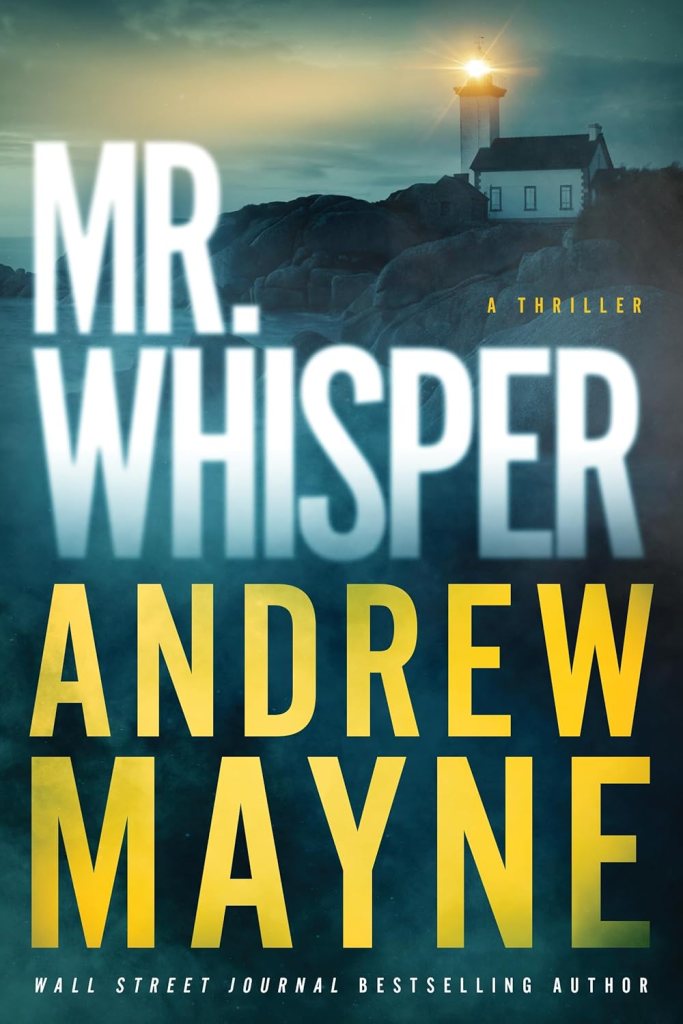

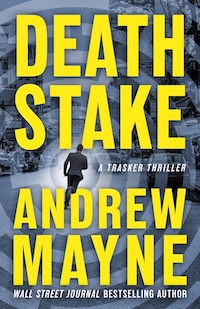

Blog
-
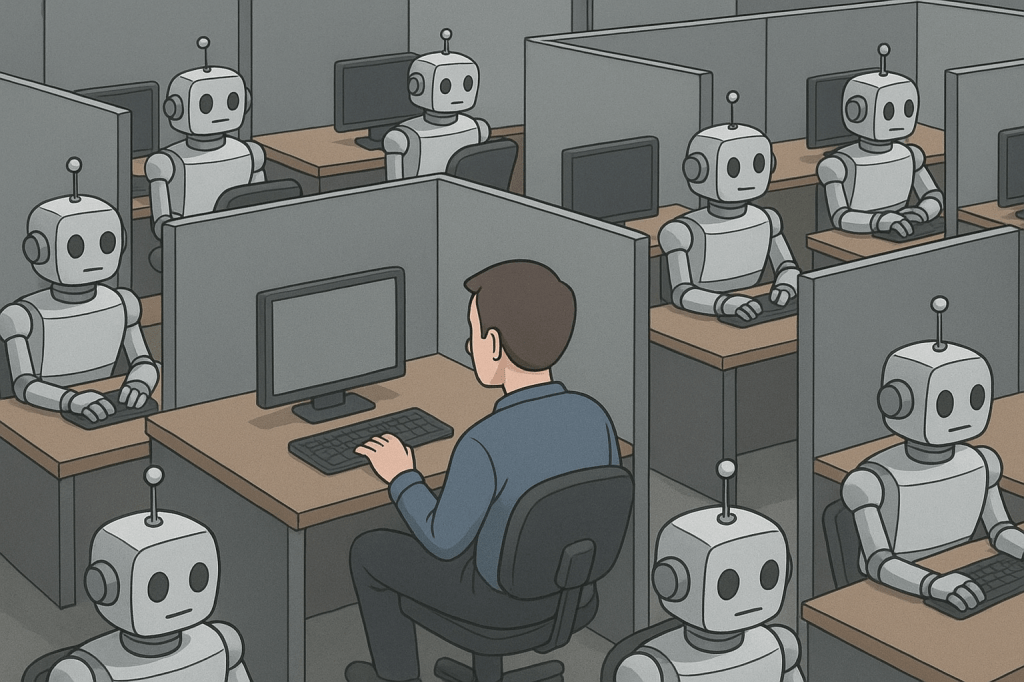
Will AI displace humans in the economy and culture?
The question of how much compute it takes to replace humans in the workforce is unnecessarily reductive. Creating efficiencies does not guarantee humans will prefer a fully automated solution. More so, it does not mean it can’t be outcompeted by an automated solution wielded by a well-networked human. While AI will likely be able to… Read more
-
Apps Inside ChatGPT: A Glimpse into the Future of AI-Native Development
At this year’s OpenAI Dev Day, I think we saw the next chapter of software unfold. The big headline wasn’t just about new models—it was about an entirely new way of building and interacting with apps. OpenAI’s introduction of AppKit hints at a world where chat itself becomes the operating system. During my time at OpenAI there… Read more
-
Sora: The ChatGPT Moment for Generative Video
Seventy-two hours ago, OpenAI launched Sora, an invite-only app that has already climbed to the top of Apple’s App Store. In just three days, it’s changed how I—and a lot of others—spend time online. Speaking personally, I’ve logged more hours inside Sora this week than I’ve spent on TikTok across my entire life. More than Instagram… Read more
-
Thoughts about OpenAI GPT-5-Codex from my conversation with Greg Brockman and Thibault Sottiaux
For the latest episode of the OpenAI Podcast I sat down with OpenAI president and co-founder Greg Brockman and Code engineering lead Thibault Sottiaux to talk about the release of OpenAI’s new GPT-5-Codex model. Read more
-
Inside the Launch of GPT-4
With GPT-4 now stepping back from its starring role in ChatGPT, I want to share a few of my favorite memories from its launch. I originally joined OpenAI as an engineer on the Applied team, but later moved into a hybrid role as OpenAI’s “science communicator.” That shift let me dive deep into technical work… Read more
-

Understanding AI Hallucinations: How AI and Humans Make Similar Mistakes
In this video, we delve into the concept of AI hallucinations by comparing them to human cognitive errors. We explore how both humans and AI can make false statements due to incorrect information or reasoning errors. The video explains different scenarios where AI, like humans, can generate incorrect conclusions based on faulty data or assumptions.… Read more
 @AndrewMayne